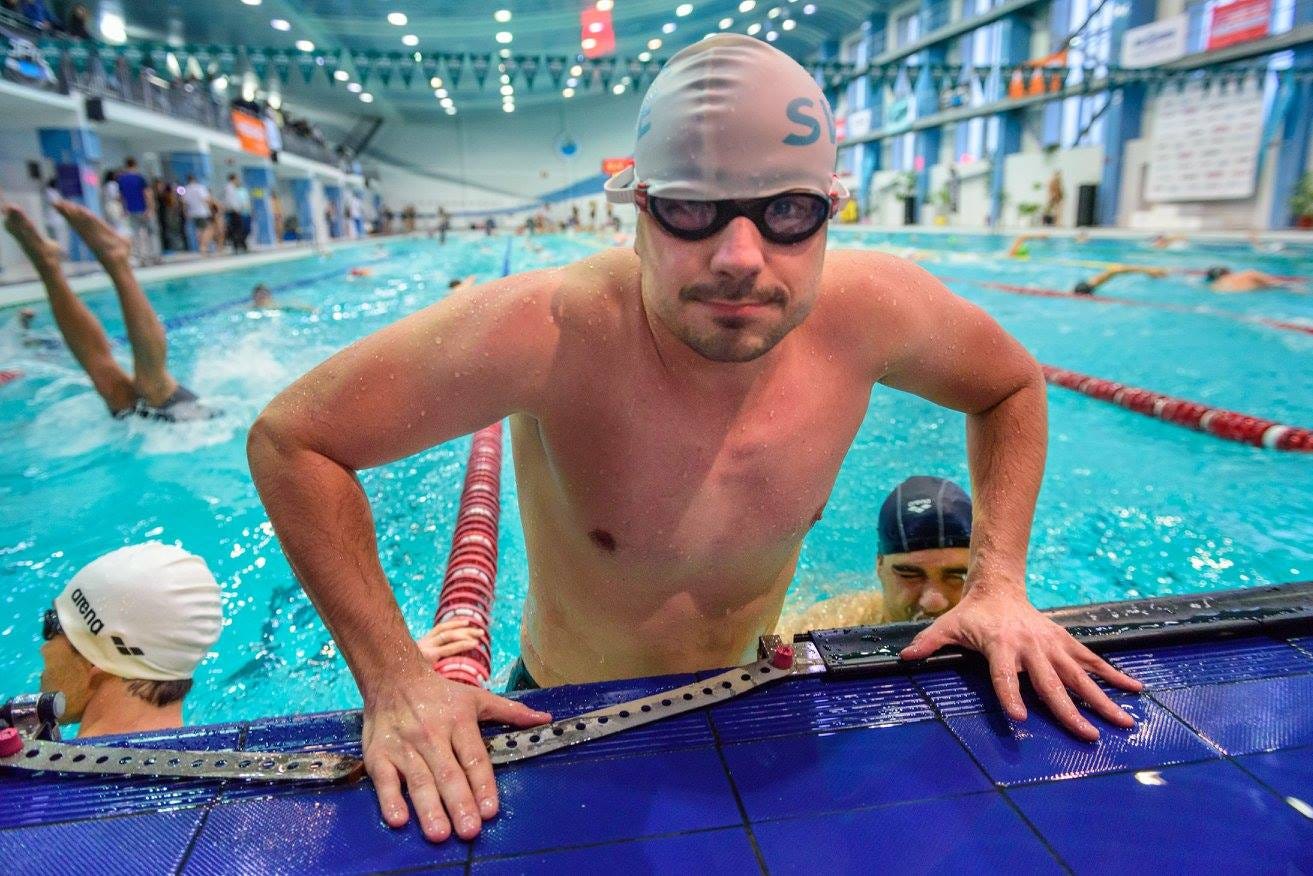
A few months before that, I saw someone running in a LIVE.LOVE shirt. In Europe. Thousands of kilometers from where it all started.
Here’s the thing. We built LIVE.LOVE in Ukraine back in 2016. No app. No AI. No growth hacking playbook. Just three founders (Natalia, Slava, and Slava), a crazy idea that sport should be fun, and rented pools and stadiums.
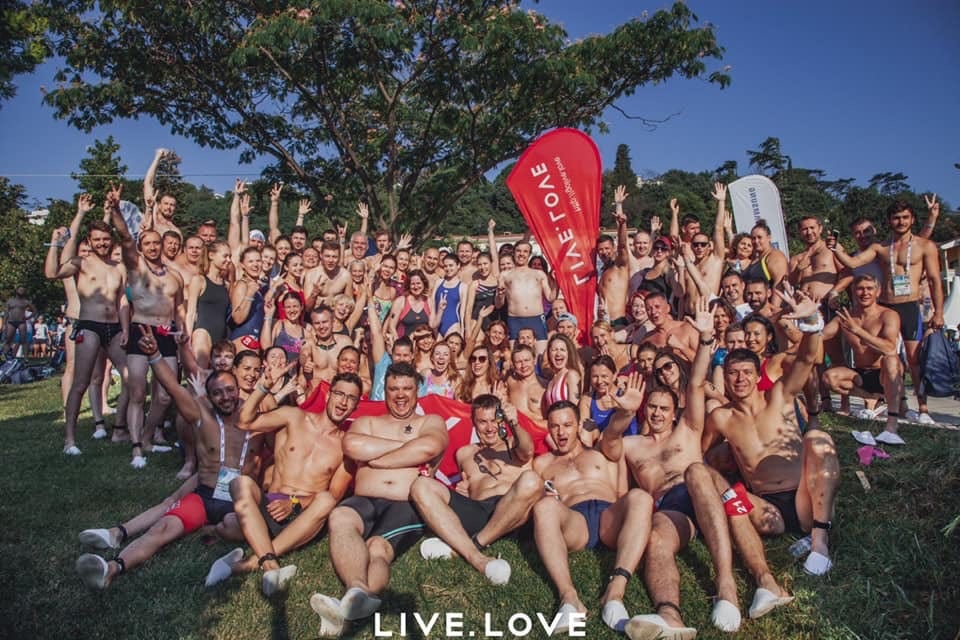
Three thousand people passed through. Eight hundred active at peak. We became the largest team at the Bosphorus Cross-Continental Swim. I crossed it four times. We were the biggest crew in Oceanman worldwide. Largest team at Vienna, Munich, and Cyprus marathons. 180 out of 400 Ukrainian slots were ours on Bosphorus. From the whole country. Registration closed in 7 minutes.
But the numbers aren’t the point.
The point is what happened around the sport. People met, fell in love, and started families. Dozens of them. A TV host married an entrepreneur. The former CEO of Mercedes-Benz Ukraine told us he didn’t think making real friends at 38 was possible. Three of our runners created Board, now one of the largest business communities in Ukraine and beyond.
We had three pillars.
A shepherd: the founding team.
A temple: physical places where we gathered and trained.
And rituals: weekly runs, swims, trips that became sacred.
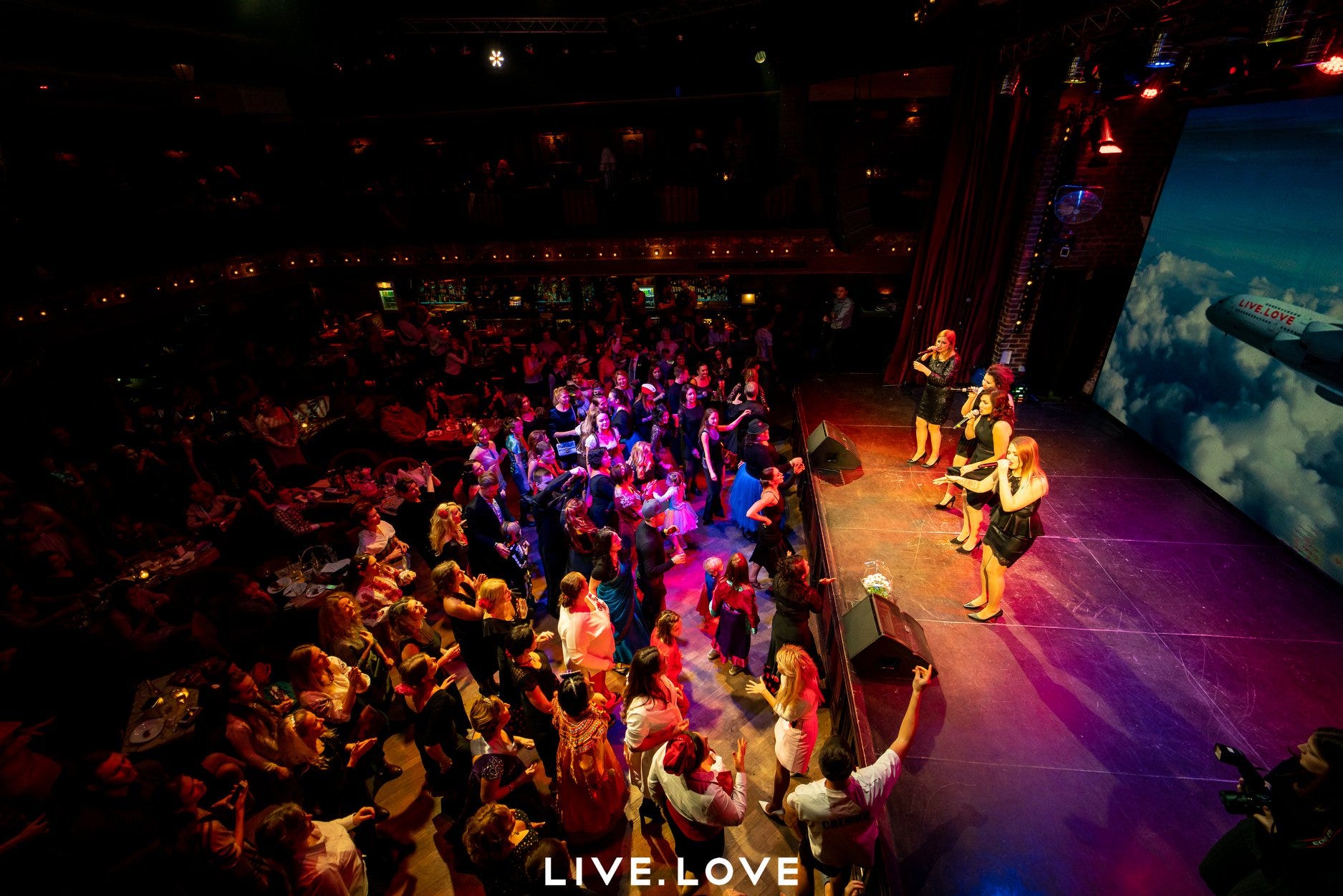
Then COVID hit. It killed all three pillars at once. No gatherings. No trips. No rituals. We never came back. That's what we lost.


And yet. People still swim in those caps. Still run in those shirts. Still find each other across three continents. Ukrainian migrants recognizing LIVE.LOVE gear in Barcelona, Berlin, Dubai, and reaching out.
That’s the difference between a community and a platform.
Today you can build a community app in a weekend. AI generates your content calendar, SEO drives traffic, a no-code tool handles payments. All the infrastructure that took us months in 2016 is now trivially easy.
And that’s exactly why it doesn’t matter.
The hard part was never the website. It was getting a hundred people to show up at 7 AM on Saturday to swim in cold water. It was creating a culture where a CEO and a freelancer share a lane, then share breakfast. It was making rituals that people protect like family traditions.
LinkedIn won’t build that. Instagram won’t. Facebook groups definitely won’t. They’re distribution channels, not communities. The moment the algorithm changes, your “community” evaporates.
A real community survives a pandemic. Survives a war. Survives mass emigration across 30 countries.
Don’t get me wrong. AI is a gift for community builders. Use it for logistics, scheduling, content, and analytics. Remove every boring operational task so you can focus on the only thing that matters: getting people in the same room, doing something meaningful together.
The technology makes building the platform trivially easy. Which means the only competitive advantage left is the human part. The shepherd. The temple. The rituals.
I’m moving to Dubai now. Thinking about doing it again. Different city, different people, same principles. If that sounds like something you’d want to be part of, write to me.
The world has never had better tools for building communities. And never been worse at actually doing it.