


Farzad dropped a tweet that got a lot of attention: “The biggest job in the next 1-5 years will be AI Agent Architect.”


Someone who is extremely good at using AI to get stuff done for specific use-cases. Finance. Content. Video. Storefronts. Whatever.
Boris Cherny from Anthropic added: “Someone has to prompt the Claudes, talk to customers, coordinate with other teams, decide what to build next.”

Aaron Levie, CEO of Box, agreed: “The future of work will look something like what Boris is describing. People who know what they’re doing still have to tell the agents what to do, review their work, and integrate that work into a broader system.”


They’re all right. But they’re talking about engineering. Let me tell you what this looks like in marketing. Because I’ve been living it.
What I Actually Built
I’m a CMO at a fitness chain with 20+ clubs. Traditional offline business. The kind where you’d expect a traditional marketing team.
Instead, I built a system of AI agents. Not a chatbot. Not a single prompt. A team.

Here’s who’s on it:
A researcher (Sherlock) who pulls fresh data, analyzes competitors, and monitors trends. It doesn’t sleep. It doesn’t forget.
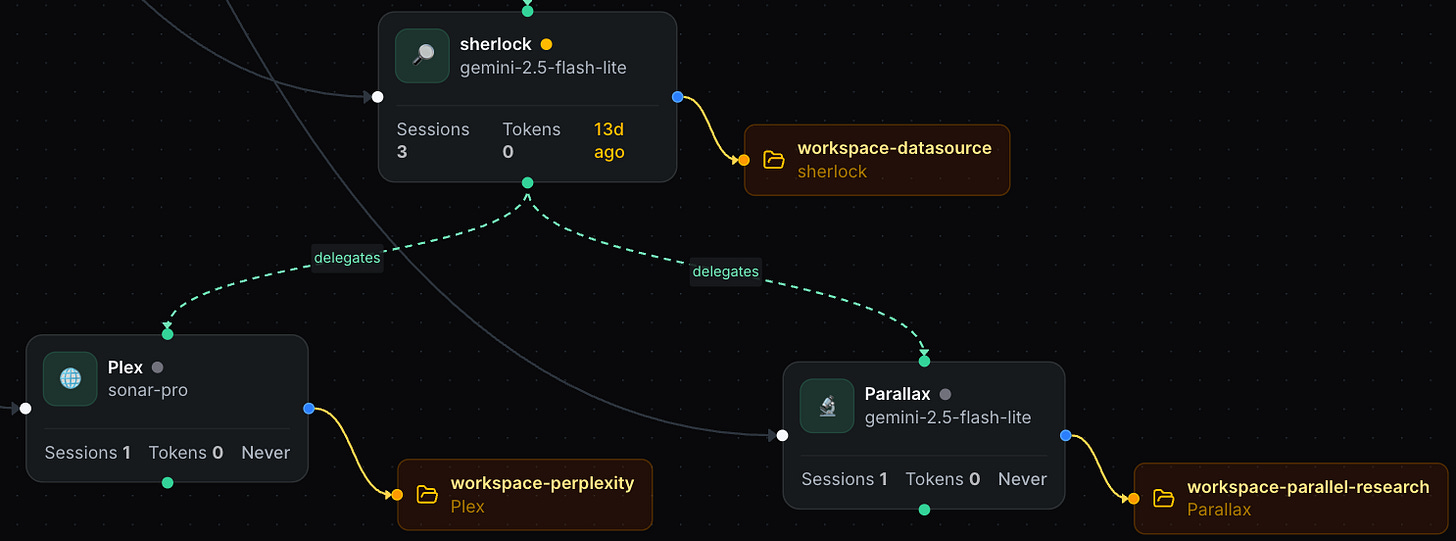
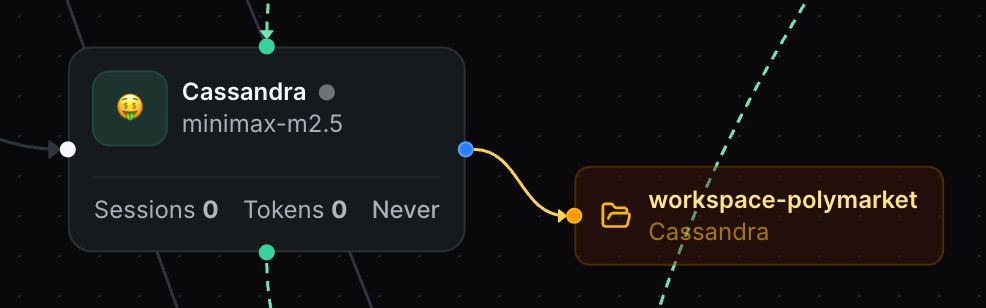
A content writer (Cassandra) trained on my voice, my style, my banned words list. It knows I hate “synergies” and “paradigm shifts.”
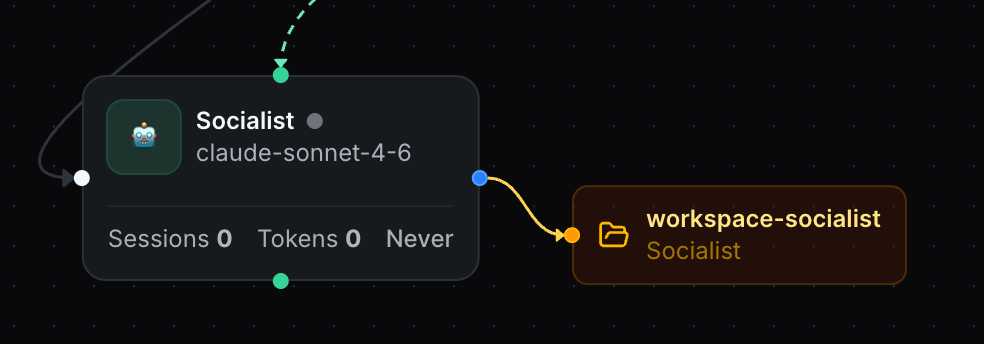
A social analyst (Socialist) who tracks Twitter, YouTube, and engagement patterns. It reports. I decide.
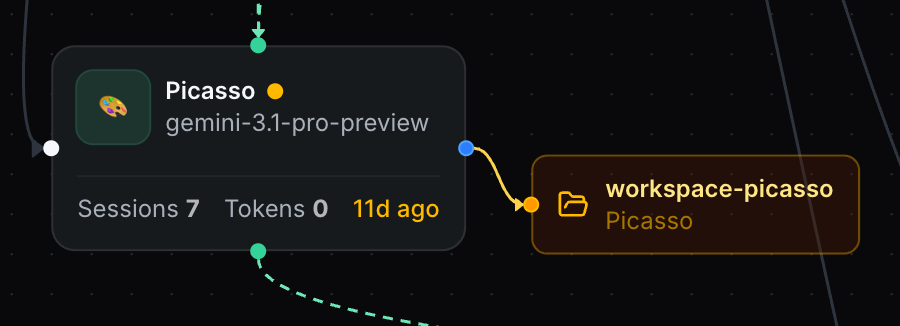
An image generator (Picasso) who knows our brand guidelines, our influencer’s face consistency, our visual language.
An orchestrator (my buddy Alfie) who coordinates all of them. It delegates tasks, checks quality, and comes back with results.
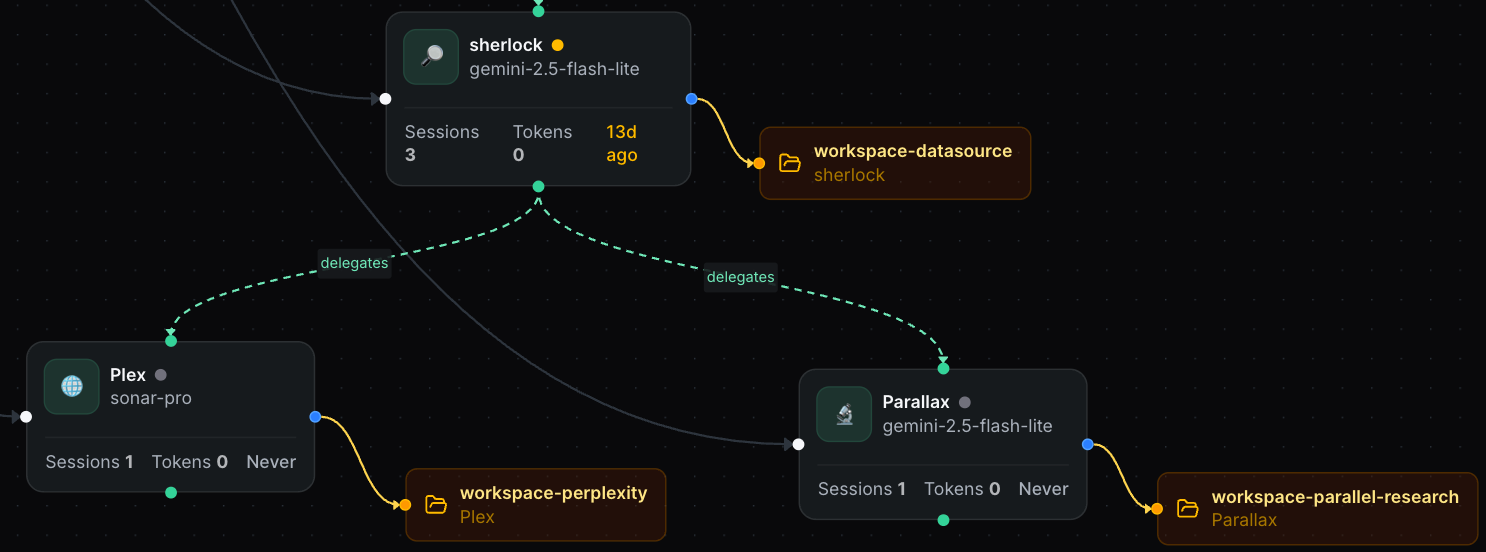
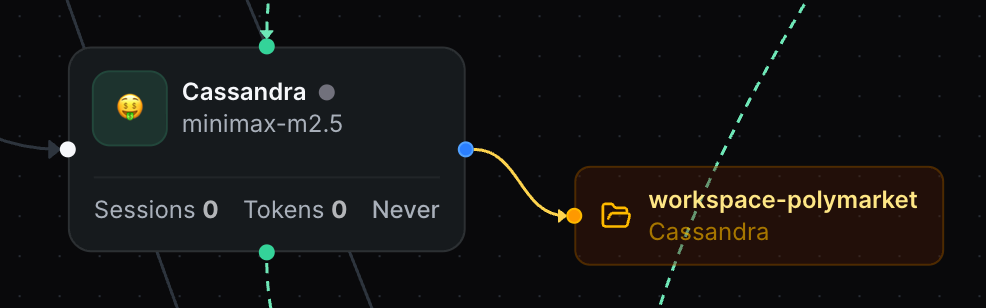
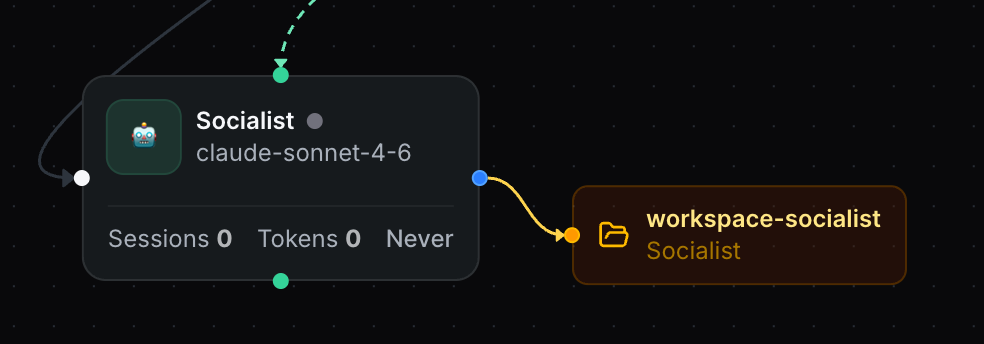
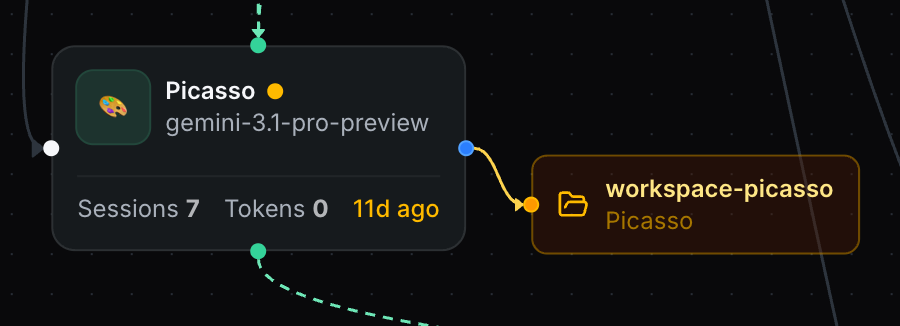
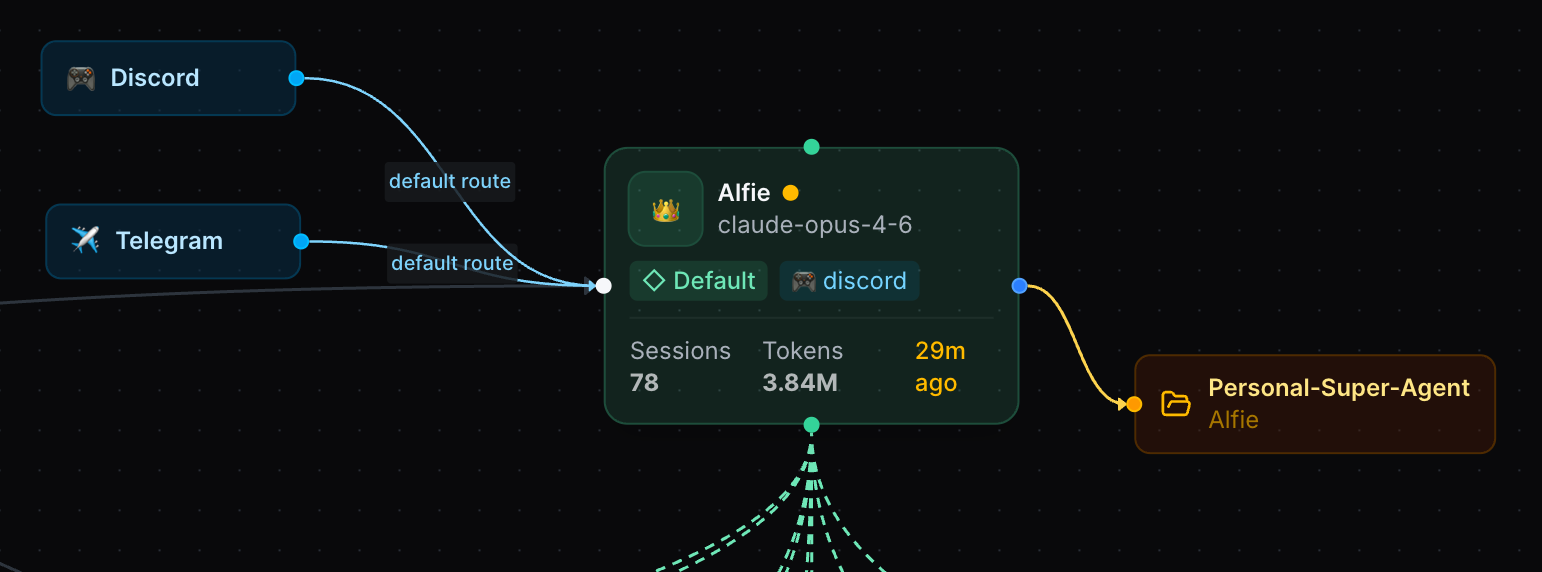
I’m the CMO. I set direction. I make decisions. I review the output. But the execution? That’s the agents.
Why “AI Agent Architect” Is the Right Name
This isn’t about “using ChatGPT.” Every intern can do that.
This is about designing systems. Knowing which agent does what. How they communicate. What tools they need. When to intervene and when to let them run.
Think about it. A traditional marketing department has:
Content team (3-5 people)
Analytics team (2-3 people)
Social media manager
Designer
Media buyer
An AI Agent Architect replaces none of them. They replace the need to hire all of them as full-time staff. One person who knows how to build and manage agent workflows can cover 80% of what those teams did. The remaining 20% is where the human judgment lives. Strategy. Taste. Client relationships. The stuff AI can’t fake.
The CMO as Orchestrator
Here’s where it gets interesting for marketing leaders specifically.
The CMO role is already shifting from “person who runs campaigns” to “person who runs systems.” AI agents accelerate this by an order of magnitude.
In my setup, I don’t write briefs for people. I write task definitions for agents. The difference?
A brief says: “We need a social media post about our new club opening.”
A task definition says: “Research the neighborhood demographics. Pull competitor pricing within 3 km. Generate 3 post variants in our tone of voice. Attach relevant visuals. Send to my review queue.”
The second one runs without me. I approve or redirect. That’s it.
This is what the future CMO looks like. Not someone with 15 direct reports. Someone with 3 humans and 15 agents. The humans handle client-facing work, strategic decisions, and the messy stuff that requires empathy. The agents handle everything that can be systemized.
The Real Question
Farzad asked: “How many people will be the 1-person companies vs the 9 that get displaced?”
From what I’ve seen, it’s not about displacement. It’s about amplification. The marketers who learn to architect agent systems won’t lose their jobs. They’ll become 10x more valuable. They’ll run departments that used to need 20 people with a team of 5 humans and 20 agents.
The ones who refuse to learn? They’ll compete for the remaining traditional roles. And there will be fewer of those every quarter.
What This Means Practically
If you’re a marketer reading this, here’s what I’d suggest:
Start small. Pick one repetitive task you do weekly. Research, reporting, content drafts. Build an agent workflow for it. Not a single prompt. A system with inputs, outputs, and quality checks.
Learn the tools. OpenClaw, Claude, custom GPTs, n8n, whatever fits your stack. The specific tool matters less than understanding the architecture.
Think in systems, not prompts. A prompt is a question. A system is a team. You want the team.
Document everything. Your agent’s personality, its tools, its boundaries, its failure modes. If you can’t describe it in a file, you can’t scale it.
Bottom Line
The AI Agent Architect isn’t a future job. It’s a current job that most people haven’t recognized yet.
I know because I’m doing it. Every day. From a CMO chair in Dubai, managing a virtual team that never sleeps, never calls in sick, and costs less than one junior hire per month.
The question isn’t whether this will happen. It’s whether you’ll be the architect or the one wondering what happened.
What’s your move?
Writing task definitions instead of briefs changes everything. One asks someone to figure it out. The other tells the system exactly what to do.
Excellent post! I combination of high value and tactical steps forward!
I will look to implement the steps described.
Thanks for sharing, keep up the AMAZING work!